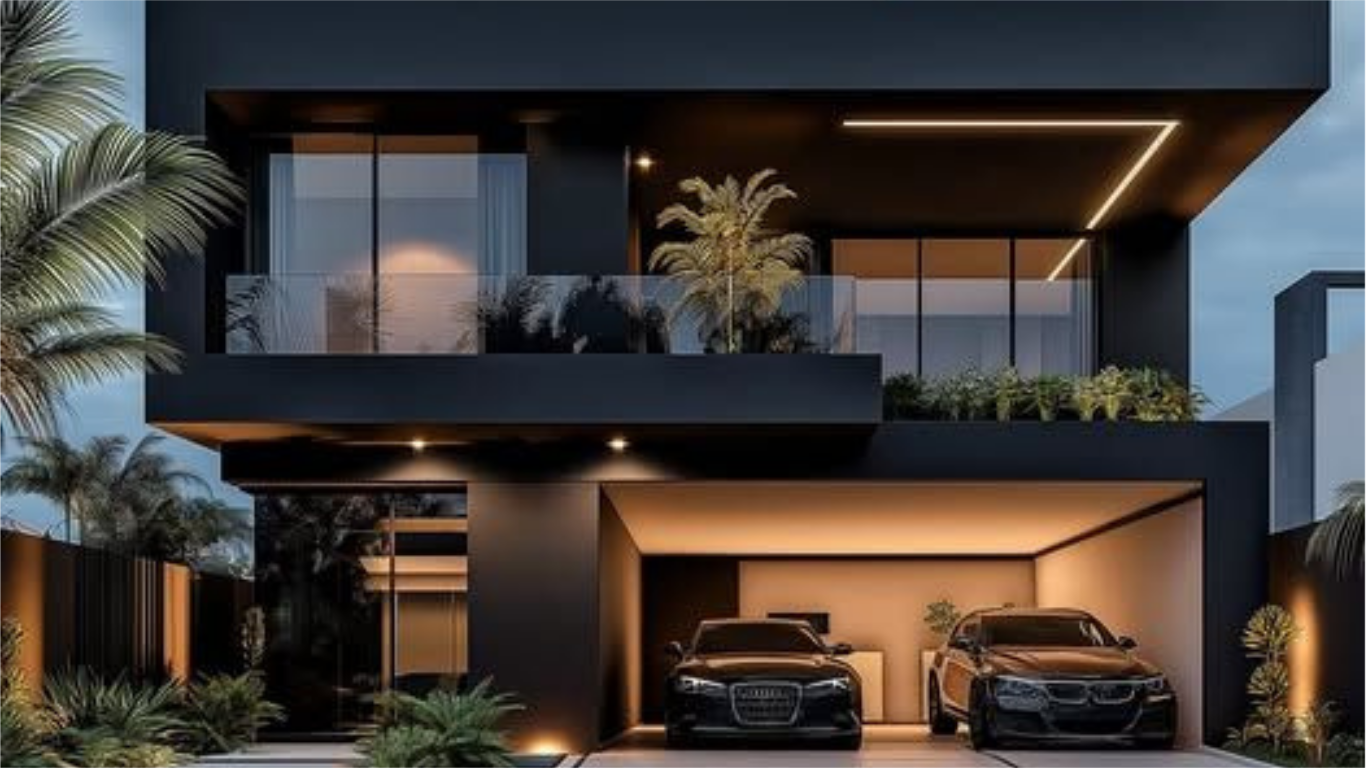


Modern architecture trends 2025 are redefining what it means to live in an urban home. Homeowners,
designers, and builders are adapting more innovative approaches that blend sustainability, technology,
and style altogether. The amalgamation creates such urban environments that are both functional and
beautiful. In this blog, we’ll explore the key modern architecture trends shaping contemporary urban
residences.
The blog highlights trends like sustainable architecture, biophilic design, smart homes, modular
construction, and green materials.
Sustainability Leads the Way
Sustainable architecture remains in spotlight in 2025. Mindful homeowners are seeking eco-friendly
materials, energy-efficient systems, and designs that minimize environmental impact. Trends include:
- Net-zero energy homes powered by solar panels and renewable energy.
- Recycled and natural materials like bamboo, reclaimed wood, low-impact concrete, and recycled
glass. - Green roofs and living walls that improve air quality and home insulation.
- Water-saving fixtures and passive ventilation solutions.


Tech-Integrated and Smart Homes
The smart home revolution is transforming the way we interact with our urban living spaces. Tech
Integration gives your homes that extra edge. In 2025, expect:
- IoT integration for lighting, security, HVAC, and appliances.
- AI-powered design assistants helping architects optimize layouts and efficiency.
- Invisible tech such as hidden speakers and wireless charging stations, blending convenience with
aesthetics. - Advanced Building Information Modeling (BIM) to improve design precision and execution.
Biophilic and Wellness-Centric Design
Who doesn’t like nature? Nobody.
That’s why biophilic design is becoming an essential aspect of urban homes. This trend focuses on
enhancing well-being by bringing nature indoors:
- Natural light maximized through large windows and skylights.
- Indoor gardens, potted plants, and vertical greenery improve air quality and mental health.
- Wellness spaces such as meditation corners, spa-inspired bathrooms, and calming color palettes.
- Organic textures and materials contribute to a serene environment.
Flexible, Minimalist, and Modular Living
Modern urban architecture supports adaptable and efficient living environments:
- Open floor plans and modular rooms cater to changing needs; perfect for remote work and
multifunctional urban homes. - Minimalist aesthetics favor clean lines, uncluttered layouts, and neutral tones.
- Prefabricated and modular construction accelerates building processes while reducing waste
and costs.
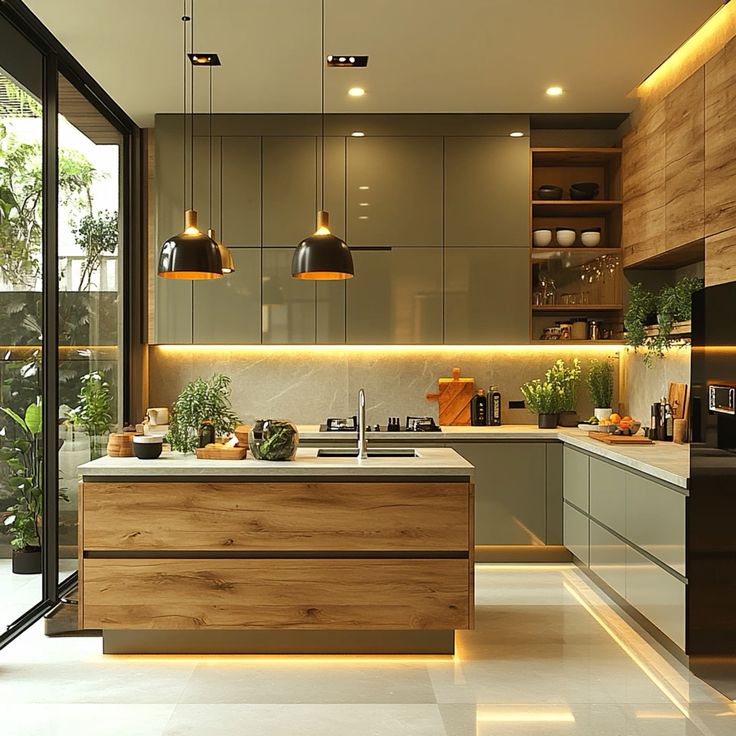
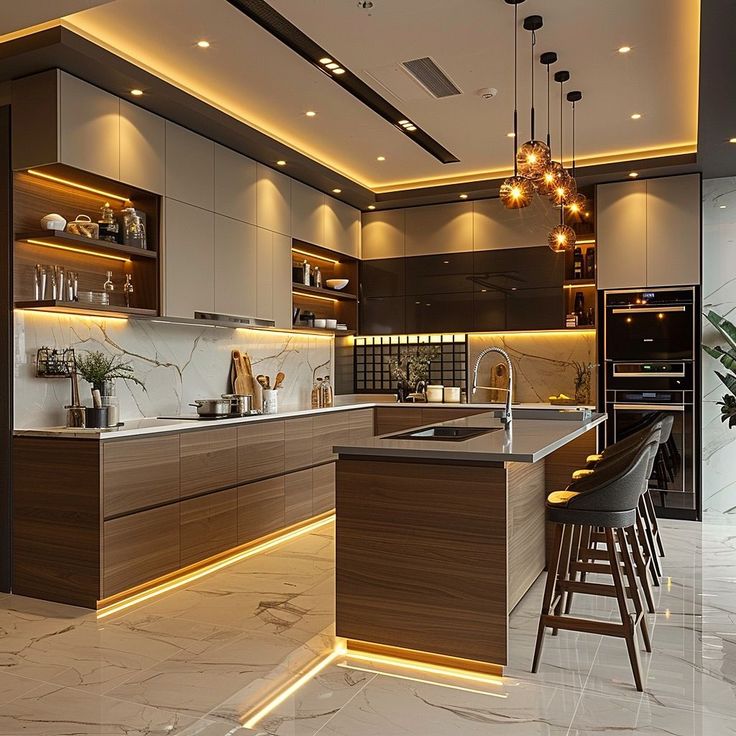
Bold Textures, Colours, and Statement Features
Texture and color infuse urban homes with personality in 2025:
- Textured walls, stone surfaces, and innovative wallpapers add visual depth.
- Bold colors and earthy neutrals dominate, transforming homes into vibrant, inviting spaces.
- Statement pieces like unique countertops and designer lighting fixtures are on the rise.
Adaptive Reuse and Urban Revitalization
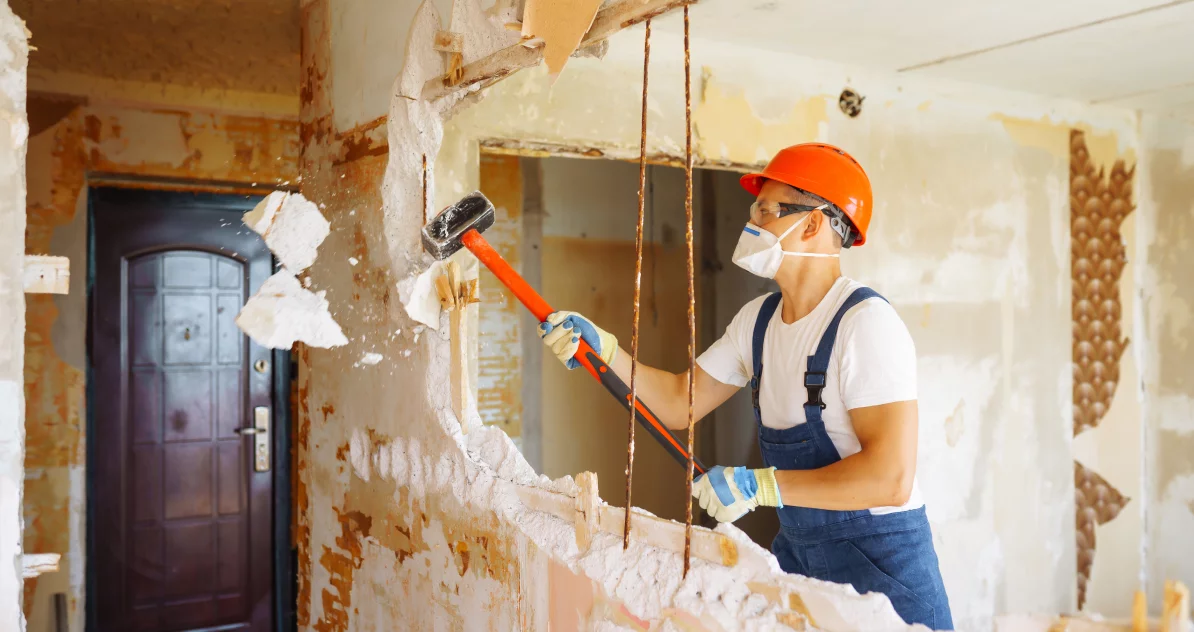
For all the history lovers, a significant modern architecture trend in cities is the creative repurposing of
existing structures. Intriguing, right?
- Adaptive reuse converts old factories, warehouses, and offices into chic urban homes, preserving
history while meeting contemporary needs. - Urban planning now emphasizes sustainable mobility and revitalized public spaces, integrating
homes with green amenities.
The future of modern urban homes is guided by innovation, sustainability, and occupant well-being. By
embracing the top modern architecture trends 2025, homeowners and architects can craft urban
spaces that are smart, sustainable, adaptable, and visually inspiring. Prioritizing these trends isn’t just
about keeping up with style; it’s about creating homes that are prepared for the future of city living.